FEC operators experiment all the time without necessarily calling it research.
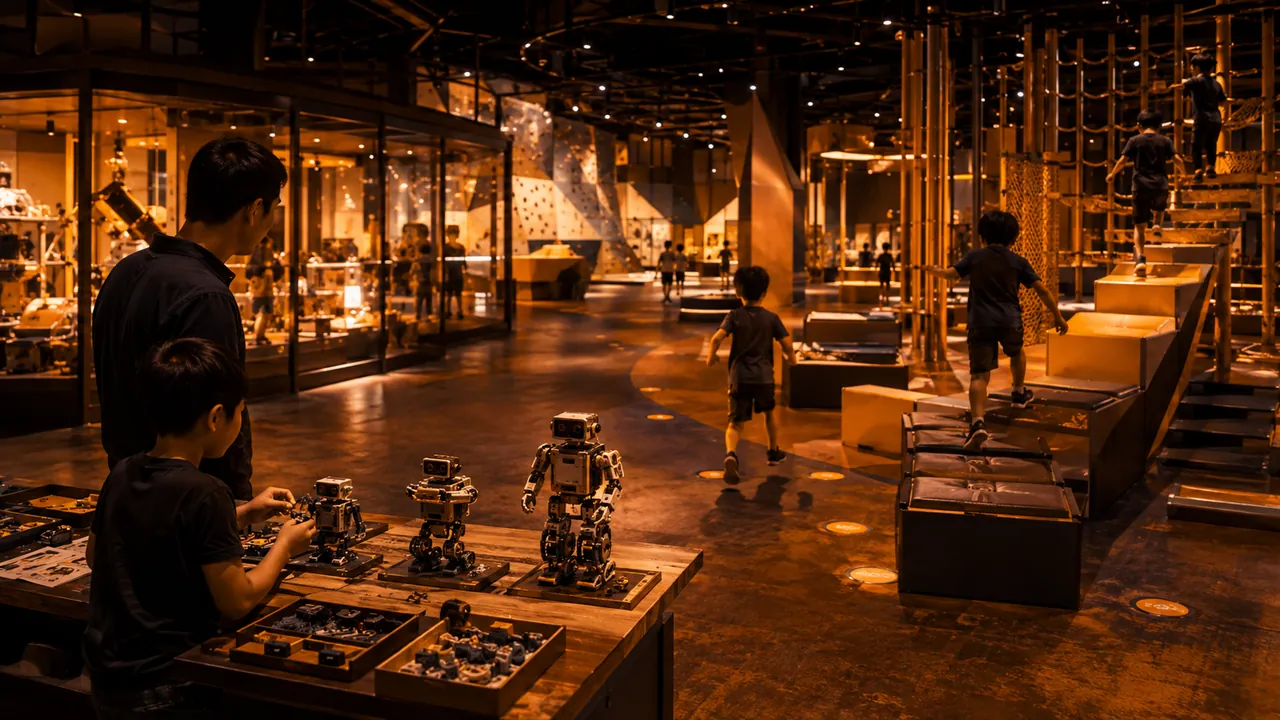
They move a game. Introduce a new birthday package. Change a price. Add a robotics workshop. Redesign a seating area. Create a new challenge.
Then something changes.
The question is whether the operator knows why.
A Living Laboratory approach uses a simple sequence:
Identify a gap → ask a question → develop a hypothesis → prototype → test → measure → improve → test again.
The approach is especially useful in a capital-intensive industry. Before building an expensive science zone, test science programming. Before constructing a large creator laboratory, operate modular stations for several weeks. Before investing in a complex digital progression system, try a simple version first.
Behavioral information is particularly valuable. Operators can measure where people go, how long they stay, which attractions they repeat, which queues they abandon, which programs bring them back, and which memberships they renew.
But behavior should be combined with the visitor’s experience. Interviews, surveys, observation, and child-appropriate feedback can explain why those behaviors occurred.
Research involving children also requires particular care around consent, privacy, appropriate methods, and ethical review when formal academic research is conducted.
The underlying idea is powerful: every new program, station, package, layout, or experience can become a hypothesis—and every park can gradually become better at discovering what families actually value.