ATTRACTION ECONOMICS

The Economics of FEC Attractions

What is the best FEC attraction? There is no reliable universal answer. Attractions should be compared across demand, capacity, space, investment, labor, repeat use, and their contribution to the total family experience.

Read the original article in PDFReturn to Research Library
The Economics of FEC Attractions — Future Experience Research

Operators frequently ask which attraction generates the most money.

But “most effective” can mean very different things.

Is it the attraction with the highest revenue per square foot? The best return on investment? The strongest birthday appeal? The highest throughput? The greatest marketing impact? The most frequent repeat use?

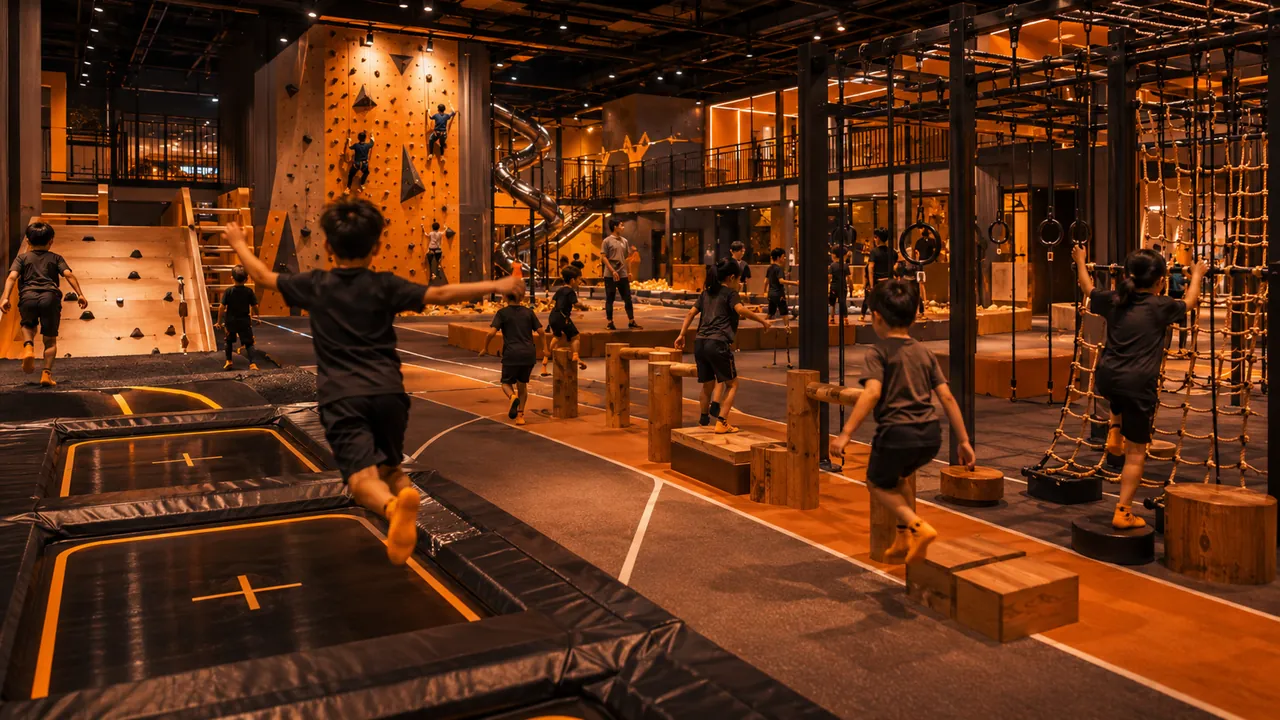
A major ropes course may occupy substantial space but attract visitors from outside the park. An arcade game may generate significant revenue from a tiny footprint. A toddler zone can strengthen birthday demand. A creative station may generate less direct revenue while improving memberships or school visits.

The full economics therefore require multiple measures.

Operators should examine demand, guests per hour, queue times, revenue and contribution per square foot, capital investment, staffing, maintenance, downtime, repeat use, age range, birthday value, marketing impact, and parent approval.

Repeat use deserves special attention. An attraction that performs exceptionally on a child’s first visit can lose value quickly if there is nothing new to do on visits three, five, or ten.

Familiar attractions should not automatically be rejected. Trampolines, climbing, slides, arcades, and screens remain popular for good reasons. The opportunity is to make them deeper by adding levels, targets, changing missions, social challenges, physical interaction, or creation.

The right question is therefore not simply, Which attraction earns the most?

It is, Which combination of attractions creates the greatest total value for this particular family entertainment park?

Read the original article in PDFReturn to Research Library
FEC GAPS

What Existing FECs Leave Unresolved.

Our FEC Gap Taxonomy identifies recurring weaknesses across traditional family entertainment. These six structural gaps are especially important to repeat visitation, family value and long-term engagement.

01

Novelty & Repeat Visitation

Static attractions lose novelty. Changing themes, missions, programs, levels and events create new reasons to return.

02

Personalization & Progression

The same experience for every child limits relevance. Profiles, interests, recommendations, saved projects and levels make later visits more personal.

03

Social Connection

Activity without belonging is easy to replace. Clubs, teams, competitions and community programming create social reasons to return.

04

Parent & Whole-Family Value

Parents too often wait, supervise and pay. Better concepts let adults relax, work, observe, connect, participate and understand the value.

05

Developmental Value

Entertainment can do more than occupy time. Movement, thinking, creativity, problem-solving and visible outcomes can be embedded in play.

06

Technology & Digital Continuity

Technology should support creation, personalization, feedback and continuity — not simply add more passive screen time.

HOW THE RESEARCH WORKS

Research Through Real Questions, Prototypes and Evidence.

We move from identifying a problem to testing a practical response, observing what families and markets actually do, and improving the strategy based on evidence.

01

Identify the Gap

Define a recurring weakness, unmet need, market question or operating problem.

02

Build a Hypothesis

Describe what change may create a better customer, market or business outcome.

03

Design the Test

Turn the hypothesis into a prototype, research design or practical experiment.

04

Observe & Measure

Study behavior, feedback, engagement, demand and other relevant outcomes.

05

Interpret

Compare what happened with what was expected and identify what matters.

06

Improve

Refine the concept, strategy or operating model and repeat the cycle.

CONTACT

Conduct Research.
Develop Strategy.
Make It Better.

Improving an existing FEC, developing a new activity park, revitalizing a shopping mall, developing multifamily housing, evaluating a market, or testing a new concept? Let's discuss.